Basement Floor Epoxy in Sioux Falls, SD
Basement floor epoxy gives you a sealed, easy-to-clean surface for a below-grade slab that would otherwise stay bare, cold, and prone to holding moisture. It is one of the most cost-effective upgrades for Sioux Falls homeowners converting a basement into a gym, workshop, or living space.
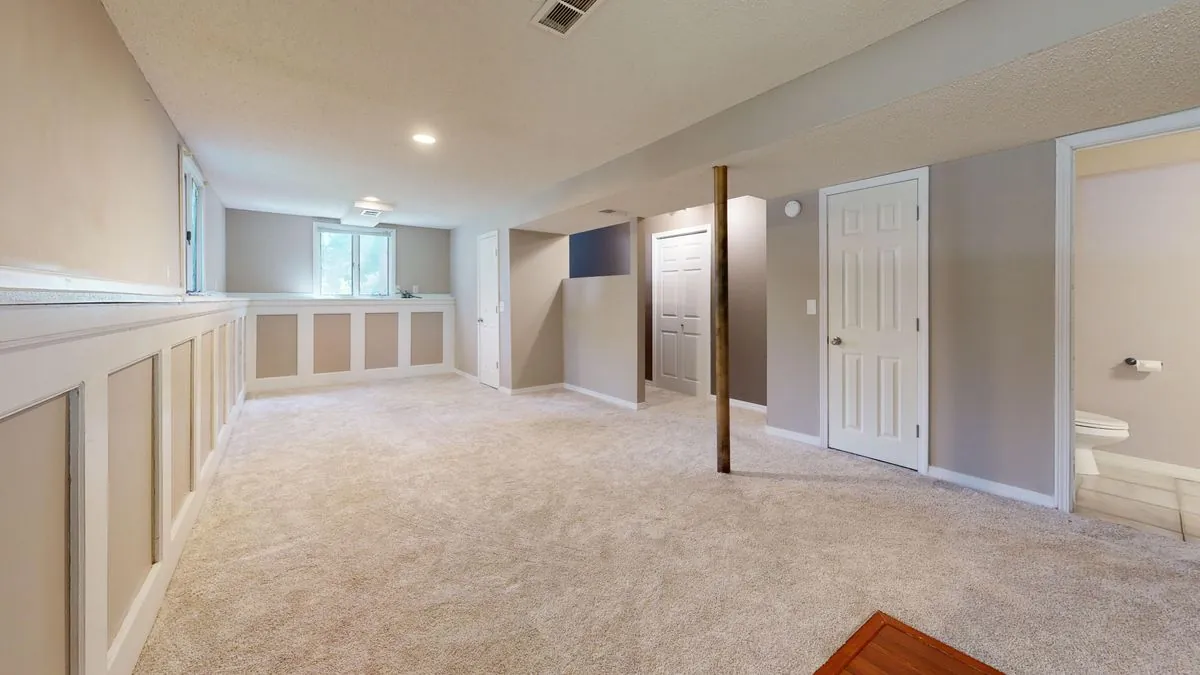
What Does Basement Floor Epoxy Involve?
Basement slabs get the same diamond-grinding prep as a garage, but we also run a moisture test first, since below-grade concrete can carry vapor emission that affects primer choice. Once the slab checks out, we grind, fill any cracks, and apply a moisture-mitigating primer, base coat, and topcoat, usually finished with a light slip-resistant texture for basements used as living space.
When Do You Need Basement Floor Epoxy?
Most requests come from homeowners finishing a basement into a home gym, workshop, or family room, or anyone tired of a cold, dusty, unsealed slab that tracks concrete dust upstairs. If your basement floor has chalky white residue (efflorescence) or a musty smell, coating it addresses both.
Why Does Basement Floor Damage Happen in Sioux Falls?
Basement slabs sit below grade in direct contact with soil, so they carry more ground moisture than a garage floor. The clay-heavy topsoil common around Sioux Falls drains more slowly than sandy soil, which puts extra moisture pressure on older, uninsulated slabs. Over time that moisture works through untreated concrete, leaving efflorescence, a chalky mineral residue that signals the slab needs sealing before it gets worse.
What Affects the Cost of Basement Floor Epoxy in Sioux Falls?
Pricing runs similarly to garage floors, $4 to $10 per square foot installed, but the total often lands lower simply because there is no vehicle traffic to plan around and less structural crack repair in newer basements. A moisture test and mitigating primer add a modest cost if your slab shows elevated vapor readings, which is common in basements built before the 1990s.
Epoxy vs. Sealed Concrete: Which Do You Need?
A basic penetrating sealer costs less but only slows moisture absorption temporarily and needs reapplication every couple of years. A full epoxy system costs more up front but creates an actual barrier layer that resists moisture, stains, and abrasion for a decade or more, which matters if the basement is finished living space rather than storage.
Frequently Asked Questions
Will epoxy stop moisture from coming up through my basement floor?
A quality epoxy system reduces surface moisture transmission and makes the slab far less likely to feel damp or musty, but it will not fix an active water intrusion problem. Standing water or flooding needs to be addressed before we coat.
Can I add carpet or other flooring over epoxy later?
Yes, most flooring types can go over a fully cured epoxy floor, though some adhesives bond better to a lightly abraded surface. Tell us your long-term plan before installation so we can leave the right finish for it.
Is epoxy slippery for a basement gym or play area?
We add a fine slip-resistant additive to the final coat on basement floors used for gyms, kids' play areas, or laundry rooms, which keeps the surface grippy even when wet without changing the finish.